
How to Boost Dopamine Naturally When You’re Drinking Less
The science behind why it feels hard, and what actually helps.
Information provided is for educational purposes only and should be used in conjunction with the guidance and care of your physician or medical provider.
So, here’s the usual story:
You decide to drink less, and suddenly everything seems a little… flat. 🫠
Evenings feel longer. Motivation is low. And activities that used to feel “fun” don’t seem to hold your interest in the same way.
That’s when the thoughts start to creep in:
→ “Why is this so hard!?”
→ “Why am I doing this again!?”
→ “Maybe just one glass with dinner tonight...”
🍷
What most people don’t realize?
This pattern has nothing to do with willpower or anything you’re doing “wrong” → it has everything to do with DOPAMINE!
When you understand the impact that alcohol’s been having on the chemicals in your brain, everything starts to make sense...
And more importantly:
You find an easier way forward.
What dopamine actually does (and why it matters)
Dopamine is often called the “feel good” molecule, but that’s not quite right.
The latest in science explains that dopamine isn’t exactly about pleasure… it’s more about motivation, anticipation, and drive.
It’s the evolutionary trigger in our brains that says:
“Remember where you found this! Do that again!”
According to experts like Dr Judson Brewer, dopamine is the chemical that fuels:
Goal-seeking behavior → Focus and energy → Habit formation
In simple terms:
Dopamine is the neurotransmitter that gets you off the couch and into the kitchen.
What alcohol does to dopamine (aka: the rollercoaster effect)
Alcohol creates an artificially high, fast spike in dopamine... far beyond what your brain would naturally produce. At first, that feels great! But… what comes up, must come down.
After the spike comes a drop below your baseline – and this drop is equivalent to the spike you felt before…
Which means:
Lower mood → Lower motivation → Increased craving
Because what do you do when you’re feeling down? You reach for another drink. And not even to feel “good” again, but essentially just to feel normal.
This is how the loop begins.
Over time, repeated spikes from alcohol can actually lower your baseline dopamine levels even when you’re not actively drinking, making everyday life feel less rewarding.
As Dr Anna Lembke explains:
It’s not just the spike that drives behavior... it’s the crash that follows it.
What this looks like in your brain
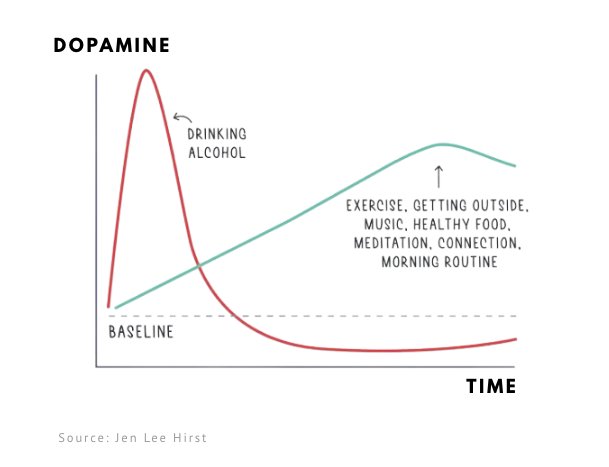
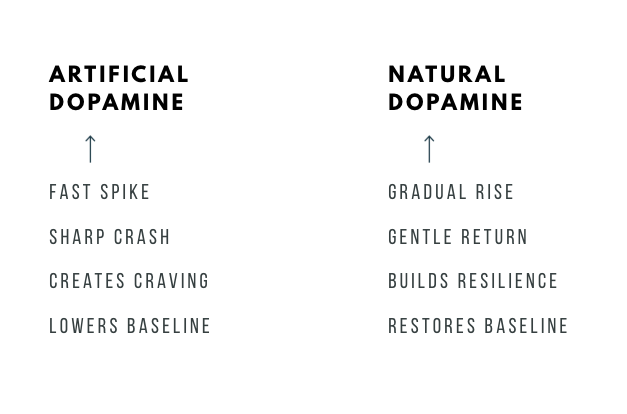
Artificial dopamine sources like alcohol create a sharp, dramatic rise... followed by a sharp, dramatic drop. But natural dopamine works differently.
Natural dopamine leads to:
Smaller increases → Slower return to baseline → No crash, no urgent craving
This is the difference between temporary “euphoria” and experiencing a legitimate boost to your mood.
Why life feels flat when you drink less
When you stop drinking alcohol, you’re taking those intense dopamine spikes out of the equation. But your brain hasn’t recalibrated yet, so you’re just sort of sitting there in a dopamine trench… below normal baseline.
This means, for a period of time, you may experience:
Low motivation → Limited excitement → A sense that something is “missing”
This is the moment where many people assume:
“See! ...life is just more fun with alcohol.”
But what’s actually happening is that your brain is HEALING. It just takes a little more time than you might think.
Your dopamine system is resetting back to its natural baseline... where it’s not constantly battling that up-down-roller-coaster of lows and highs.
Your body is moving from dysregulation back into balance.
Rebuilding dopamine naturally
There is a great opportunity here, in this period of rebalancing. You don’t have to just sit there in the bummer of your dopamine-deprived state! You can actually work with your biology… stacking a variety of natural sources of dopamine to give your mood a boost.
Natural dopamine acts differently in your body:
It’s sustainable → It supports stability instead of spikes → It builds resilience over time
When you begin to support your dopamine system naturally, you’re no longer trying to “cope” with life without alcohol…
You’re starting to feel better in a more consistent, grounded way.
6 science-backed ways to naturally boost dopamine
Let’s give your brain what it’s missing!
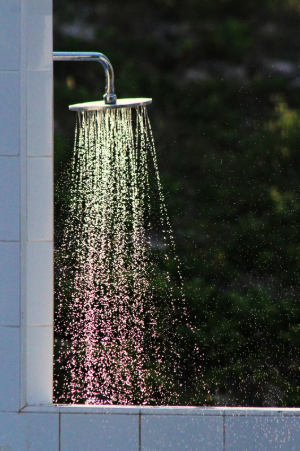
1. Cold exposure* =
Fast, long-lasting dopamine boost
Cold water [even just for 30 seconds at the end of a shower] can significantly increase dopamine levels.
Research shows that cold exposure can elevate dopamine in a way that is:
Sustained →
Regulated →
Free from the crash associated with alcohol
There’s also growing research that shows improvements in mood, resilience, and stress tolerance.
➡️ Read more about the benefits of cold showers here — including my own personal “how to” (written by someone who HATES the cold)!
*Please consult your physician before experimenting with cold exposure.
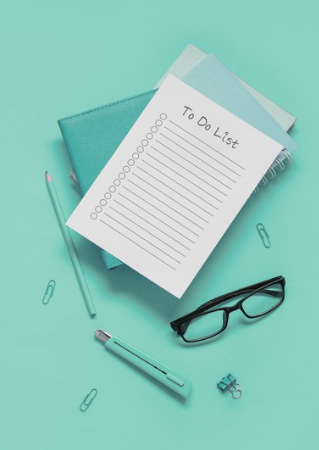
2. Completing small tasks (dopamine through progress)
Your brain loves checking things off! Every time you finish a task, you create a little dopamine reward signal in the brain.
Even little things like:
Making your bed
Sending an email
Going for a short walk
Progress creates momentum, and momentum leads to motivation.
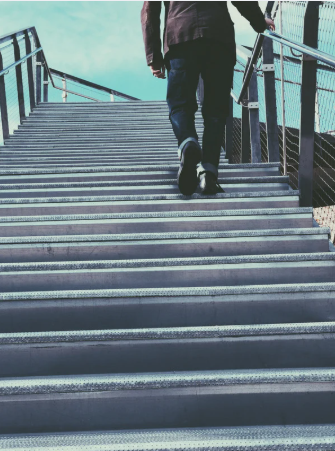
3. Gentle movement (especially low-intensity)
You don’t need punishing workouts to feel better. In fact, low-intensity movement can help regulate dopamine while also supporting serotonin and overall mood.
Activities like:
Walking
Yoga
Light strength training
Just walking out the front door when you’re trying to drink less alcohol can be a really effective strategy to get through this period of “resetting.”
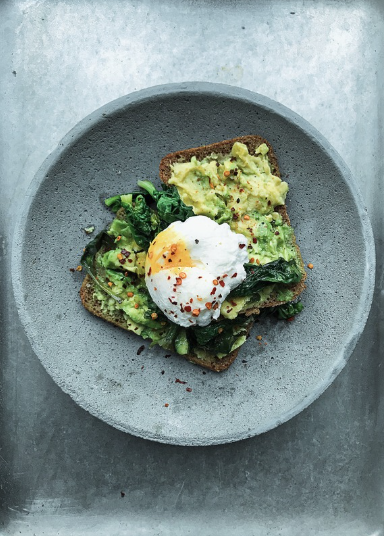
4. Eating to support dopamine
Your brain needs the raw materials to produce dopamine! The following list presents some foods that naturally increase dopamine levels in the body. These foods contain brain-supporting nutrients including omega-3 fatty acids, tyrosine, and antioxidants.
Foods like:
Eggs and fish
Sesame and pumpkin seeds
Bananas, raspberries, pomegranate, and avocado
Grapefruit and other citrus
Green tea
Also consider:
Omega-3 fatty acids
Supporting gut health (which plays a key role in neurotransmitter function)
Consuming these foods can help improve concentration, drive, and general health.

5. Meditation and stillness
This one might come as a surprise. Doing “nothing” can actually help balance your dopamine system. Practices like meditation or yoga nidra [aka non-sleep deep rest] help to:
Reduce overstimulation →
Improve dopamine receptor sensitivity →
Decrease cravings over time
In other words: You’re not just increasing natural dopamine, you’re making your brain more responsive to it.
6. Sunlight and circadian rhythm
Morning light exposure is one of the simplest and most powerful tools available.
Getting natural light early in the day helps regulate:
Dopamine
Cortisol
Sleep cycles
Better sleep leads to better dopamine regulation, which makes everything else easier.
The shift that changes everything
Artificial dopamine is about intensity. Natural dopamine is about stability.
The goal here isn’t to feel “amazing” all the time, but rather to find ways to feel consistently good.
Start small to achieve big change
You don’t need to do all of these things all at once! Small changes will start to stack up.
Try just picking two or three:
A short morning walk in sunlight
A cold blast at the end of your usual shower
One intentional “win” before noon
Keep it simple.
Keep it consistent…
That’s how you rewire your brain.
The Bottom Line:
Dopamine plays a key role in how you feel day-to-day. It impacts your mood, motivation, and focus.
Over time, alcohol turns down the volume on your brain’s dopamine receptors… making it harder to feel the boost from life’s natural hits.
When you take the giant spikes from alcohol out of the picture, you can experience low mood, low motivation, boredom, or even depression… but increasing natural sources of dopamine [especially in the early days of a break from drinking] can help give your mood a lift while allowing your brain the time it needs to reset back to its natural baseline settings.
When dopamine is balanced, you feel more energized, engaged, and able to follow through. And your daily choices can support healthy dopamine production!
Foods rich in tyrosine provide the building blocks your brain needs. Pair that with simple lifestyle habits like movement, quality sleep, and mindfulness, and you create an environment where your brain can find its natural balance.
Disclaimers:
Information provided is for educational purposes only and is not intended to diagnose, treat, cure, or prevent any disease. Information provided is in no way intended as medical advice, substance abuse counseling, psychological counseling, or as a substitute for medical or any other professional counseling. This information should be used in conjunction with the guidance and care of your physician or medical provider.
If you’re experiencing ongoing symptoms like persistent low mood, lack of motivation, or difficulty focusing, it’s important to consult your healthcare professional before following any new dietary routines or experimenting with cold exposure.
If drinking less feels harder than expected...
It’s not because you’re doing something wrong.
It’s not because you lack discipline…
It’s probably just that your brain has adapted to a pattern of artificial highs, and it just needs some time to learn a more sustainable rhythm.
And when you support that process (instead of fighting it) everything starts to shift.
I’m here to help!
If you’re ready to learn a science-backed method to drink less — without feeling deprived or white-knuckling with willpower:
That’s exactly what I help my clients do.
👉 Roll up your sleeves and get started with my 6-week RESET.
👉 Or, if you're not sure where to start, book a free consultation for a no-pressure chat.
💗
